

Thanks to digital technology children and young people today have almost limitless opportunities to learn, connect and grow. But we are increasingly witnessing how these opportunities can also come with real risks and affect young people’s wellbeing and safety. This is why the EU is working hard together with experts and young people themselves to make the online world safer and better for all.
As part of this, the EU has developed an age verification solution based on the highest privacy standards. It is user friendly and open-source, so that all EU countries can adapt and implement it easily. Interested in the technical details? Read more here.
Want to help your students stay safe in the digital world and benefit from its many opportunities?
Check out these learning materials that can help you spark a discussion:

The Guidelines bring together pedagogy and practice in one easy-to-use format: How do we get young people excited about fact-checking and critical thinking? What are the technical dimensions of disinformation? How can we identify deep fakes?

This child-friendly version of the European Digital Rights and Principles has been produced in partnership with children themselves.
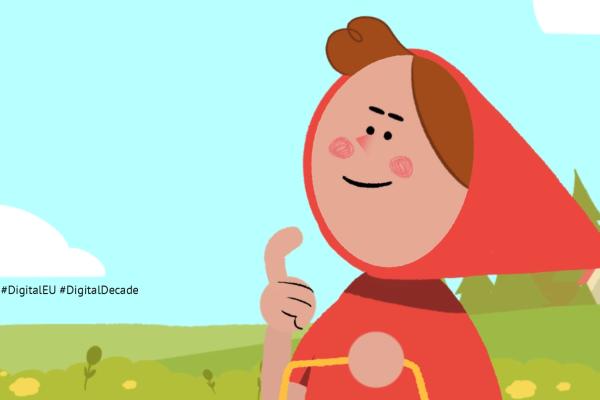
Snow White, the seven Dwarves and the Evil Queen discover what it's like to live in Europe's Digital Decade: connectivity for everyone and everywhere, secure digital infrastructure, easily accessible online public services, e-Health and much more.
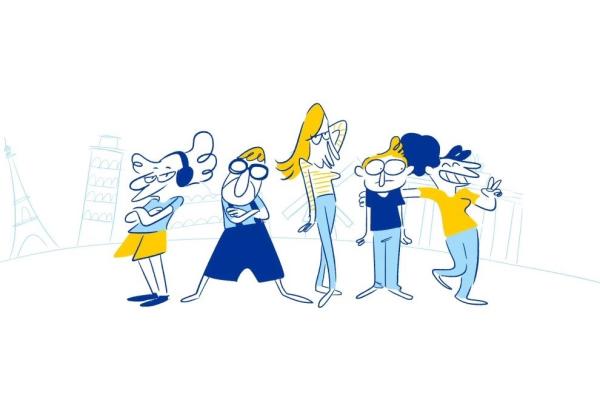
Meet Helena, Klaus, Kasia, Enzo and Marion – our “DIGITAL EXPLORERS” on a fieldtrip across Europe to see how digitalisation is coming along.

Are you curious about how the EU protects you online? The new rules introduced in the Digital Services Act (DSA) aim to create a fairer and safer online world.

Who are the Digital "Gatekeepers" and why does the Commission need to regulate them?
- Publication date
- 29 April 2026
- Author
- Directorate-General for Communication
Related links
What matters most to young people in Europe? That's the question at the heart of the second meeting of the President's Youth Advisory Board, held in Brussels on 22 July.
The EU Youth Dialogue gives young people across Europe the chance to share their ideas with policymakers. Watch this short video to discover how it works and why your voice matters!

On 15 July, we celebrate World Youth Skills Day – a reminder that the skills young people develop today will help shape the Europe and the world of tomorrow.
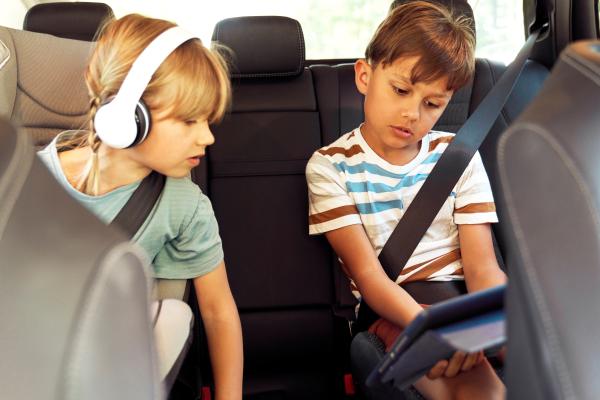
How can we make the internet a safer place for everyone? Two new leaflets are now available with practical online safety tips – one for children and teenagers, and one for parents and caregivers.
From 1 July 2026 to 31 December 2026, Ireland will hold the Presidency of the Council of the European Union, a key role that rotates every six months between EU countries.
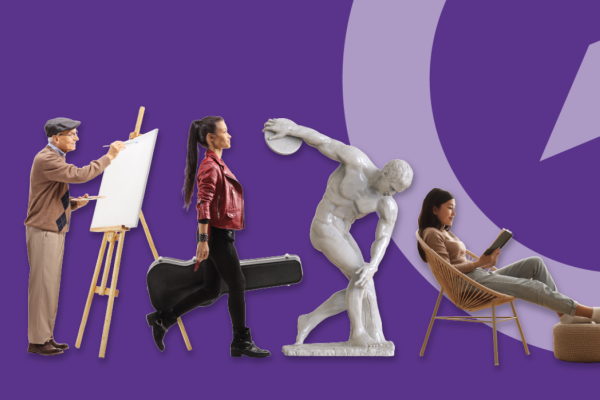
On 18 June, three important EU institutions—the European Parliament, the Council of the European Union and the European Commission—signed the first-ever Joint Declaration on Culture.