

From 1 July 2026 to 31 December 2026, Ireland will hold the Presidency of the Council of the European Union, a key role that rotates every six months between EU countries. During this period, Ireland will guide the work of EU ministers, organise meetings in Brussels and across Europe, and help shape new laws that affect all Europeans. It will also act as a bridge-builder between the EU institutions: the Council, the European Parliament, and the European Commission.
What will Ireland focus on?
It is a critical time for the EU, with greater uncertainty and unpredictability in the world. Ireland's broad thematic priorities for its presidency will align with the EU's Strategic Agenda 2024-29 agreed by European leaders in late 2024, framed around three pillars: Values, Security, and Competitiveness.
Ní neart go cur le chéile - Strength with unity
Among the key issues likely to feature are:
Enlargement: The EU’s possible expansion, particularly in light of Russia’s war in Ukraine. Ireland supports a merit-based process for countries such as Ukraine and Moldova, arguing that enlargement strengthens peace and prosperity across Europe.
Competitiveness: Efforts to make the EU economy more innovative and better able to compete globally. A report by former European Central Bank President Mario Draghi in 2024 warned that the EU faces a widening innovation and productivity gap unless it acts decisively.
Security and defence: Russia’s invasion of Ukraine has reshaped European security policy and there are serious concerns about the EU’s ability to defend itself. Ireland has increased defence spending while maintaining its policy of military neutrality, and supports EU cooperation in this area.
Finally, this year, EU countries began negotiating the next Multiannual Financial Framework (the financial plan that guides EU spending for seven years). Ireland will play a central role in helping the 27 countries reach a common position. The final agreement must be reached by the end of 2027 so funding can begin smoothly on January 1, 2028. Finally, Ireland wants to bring the EU closer to its people. This means supporting youth initiatives, social inclusion, and policies that make a real difference in Europeans’ daily lives.
Holding the presidency does not give Ireland the power to decide alone, but it does give it the responsibility to steer discussions to keep the EU moving forward.
To dive in how the Council takes decisions, why not propose them a role-play game?
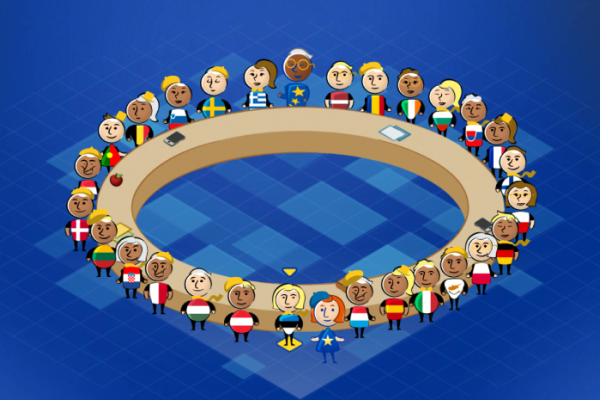
Step into the shoes of a national minister and experience EU decision-making by negotiating on real topics that matter for you.
Step into the shoes of a national minister and experience EU decision-making by negotiating on real topics that matter for you.
- Publication date
- 1 July 2026
- Author
- Directorate-General for Communication
Related links

International Youth Day celebrates the imagination, creativity, and ambition of young people.
What matters most to young people in Europe? That's the question at the heart of the second meeting of the President's Youth Advisory Board, held in Brussels on 22 July.
The EU Youth Dialogue gives young people across Europe the chance to share their ideas with policymakers. Watch this short video to discover how it works and why your voice matters!

On 15 July, we celebrate World Youth Skills Day – a reminder that the skills young people develop today will help shape the Europe and the world of tomorrow.

How can we make the internet a safer place for everyone? Two new leaflets are now available with practical online safety tips – one for children and teenagers, and one for parents and caregivers.
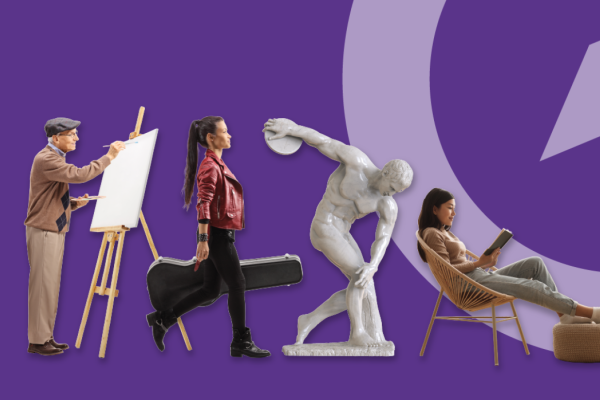
On 18 June, three important EU institutions—the European Parliament, the Council of the European Union and the European Commission—signed the first-ever Joint Declaration on Culture.