

World Bee Day, celebrated every year on 20 May, is a chance to discover why bees are some of the most important creatures on our planet. Bees and other pollinators help plants grow by carrying pollen from flower to flower. Without them, many of the foods we enjoy — such as apples, strawberries, tomatoes, and almonds — would become much harder to produce.
But bees are under threat from climate change, pollution, pesticides, and the loss of natural habitats. Protecting them matters for nature, food security, and biodiversity across Europe and the world.
Everyone can help bees, even small ways. Planting flowers, avoiding harmful chemicals, and letting wildflowers grow can all make a difference.
Young people across Europe are already helping protect pollinators — from sharing ideas through the Young Citizens Assembly on Pollinators to leading local projects supported by the European Fund for Youth Action on Pollinators and IUCN Save Our Species.
This World Bee Day, take a moment to appreciate the tiny insects that play a huge role in keeping our planet healthy and colourful.
Discover more resources here:
- Pollinator Park
- Pollinator Academy — a learning platform with integrated taxonomic tools and information on European pollinators.
- Learn more about pollinators on the EU Pollinators Hive
Play the card game:
Challenge your friends and family and get to know more about the different types of pollinators, their importance for humanity and their risk of extinction.
Details
- Publication date
- 20 May 2026
- Author
- Directorate-General for Communication
- Type of content
- News
Related links

Being online helps us connect, learn and have fun—but too much screen time can affect our mental and physical health. For young people, finding a healthy balance is especially important.

What happens after war separates children from their families? The award-winning documentary “After the Rain” follows Ukrainian children reunited with their loved ones after being forcibly transferred to Russia.
The European Commission is looking for 30 young people to join Commissioner Glenn Micallef in Lyon from 15–17 July 2026 for a Youth Policy Dialogue on the next EU Youth Strategy.
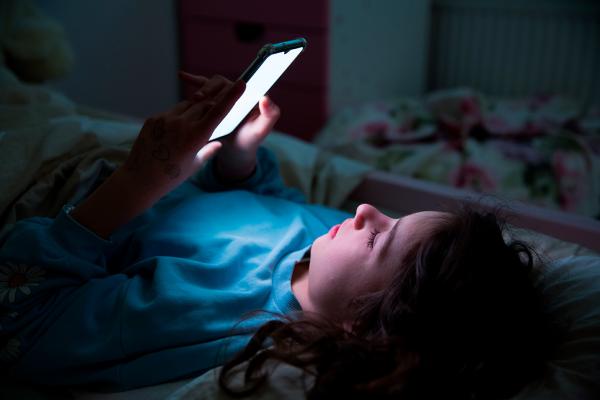
Thanks to digital technology children and young people today have almost limitless opportunities to learn, connect and grow.

9 May 2026 - we celebrate Europe Day! On this day, the 9th of May 1950, the former French foreign minister Robert Schuman signed the Schuman Declaration. It heralds an era of integration, peace and cooperation. Check what Europe Day website and the Learning Corner have to offer!
From 24 April to 1 May 2026, the European Youth Week (EYW). Throughout the week, a wide range of events will take place across Europe focusing on this year’s theme solidarity and fairness. Explore the Activities Map to see what’s happening near you.