

- Age groups
- Topics
- Type of material
Navigating information and trust
In recent years we have seen just how fast misleading or false information can spread online. This disinformation toolkit will help secondary school teachers to empower their students with vital online navigation skills. Through real-life examples and group exercises it promotes critical thinking and stimulates dialogue on how to tell fact from fiction, covering topics like public health and democracy.

Help your students learn and practise critical thinking and fact-checking skills in a playful way, using EU resources. This classroom activity is designed for students aged 16 to 18.
Join the fun and help shape a generation of informed, discerning digital citizens! Available in English and French.

By stepping into the shoes of a disinformation actor, you’ll learn about six common disinformation techniques, which will make them easier to recognise when you encounter them in real life.

Disinformation, foreign information manipulation and interference are a serious threat to our societies and democracies. Addressing this threat requires a whole-of-society approach. Check out what the European Commission is doing to strengthen its strategic communication to tackle disinformation.
Video tips to spot disinformation
Disinformation actors use a variety of techniques to deceive and manipulate people online. This can range from clones of legitimate websites to cleverly manipulated audio or videos – known as 'deepfakes' – designed to appeal to our emotions and cloud our judgment.
In this short series of three videos, the young Essi gives you some tips and resources to help you safely navigate the online landscape and spot disinformation more easily.
This series of videos explains the most commonly used tactics and gives tips to spot and avoid them.
Role-play and games
The members of the European Large Carnivore Platform developed a fun and interactive game to let you step into the shoes of a shepherd, hunter, nature conservationist or local politician and to find solutions together for long-term sustainable coexistence with the wolf in their area.
While playing the role play game, students will be able to learn about understanding other people’s interests, positions and what influenced those viewpoints; work on personal development and negotiation skills as the group needs to reach a compromise; or learn more about the wolf and its biology.

Guided by an intelligence analyst from OLAF (the European Anti-Fraud Office), you (Agent O) have to navigate the maze, outsmart the disinformation trolls and catch the fraudster. Do you have what it takes? Quick, the clock is ticking!
The game is available in English, French, German and Dutch.

On the same topic

These guidelines are designed to help educators understand the potential that the applications of AI and data usage can have in education and to raise awareness of the possible risks.
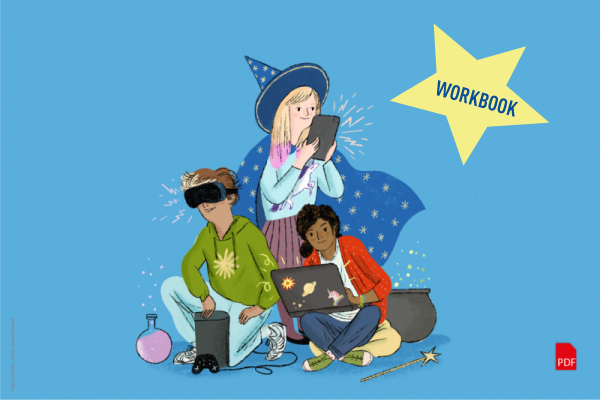
This guide will help you learn many magical things! What the web is made of, what programming is all about, who’s lying and who’s telling the truth. What’s all this for? To help you freely roam this land.
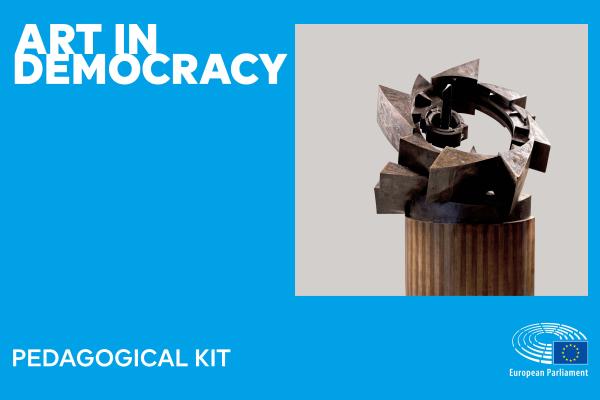
This pedagogical kit aims to provide educators with practical guidance for the exhibition Art in Democracy.
Free resources in 29 languages to help teachers introduce coding and computational thinking to students of all ages. These fun activities will help de...

An interactive and fun learning guide for children aged 9-13 to become Democracy Champions and make a difference in their school or community.

As an educator, you are at the heart of Europe’s digital transformation. To support you in this journey, the European Commission has four new sets of guidelines designed to support you across four key areas in digital education.

Meet Helena, Klaus, Kasia, Enzo and Marion – our “DIGITAL EXPLORERS” on a fieldtrip across Europe to see how digitalisation is coming along.

Do you use statistics when you teach? Or are you a student wanting to understand more about statistics? Then the Education corner on Eurostat website is the right place for you!