

Šodien Eiropas Savienība atzīmē 40. gadadienu, kopš Eiropas Komisijas galvenajā mītnē Berlaymont ēkā Briselē pirmo reizi īpašā ceremonijā tika pacelts ES karogs. Šis karogs, kurā redzams divpadsmit zelta zvaigžņu aplis uz zila fona, ir kļuvis par vienu no atpazīstamākajiem simboliem Eiropā. To var redzēt skolās, pilsētās un sabiedriskās vietās visā Eiropā.
Šo karogu oficiāli apstiprināja 1985. gadā, kad Eiropas līderi vienojās par karoga dizainu, kas simbolizē vienotību un kopību. Attēls ar 12 zelta zvaigznēm uz skaidru, zilu debesu fona atspoguļo saskaņu un solidaritāti starp Eiropas tautām, bet pašas 12 zvaigznes simbolizē pilnīgumu un veselumu.
Četrdesmit gadus vēlāk ES karogs joprojām iedvesmo jaunās paaudzes labāk iepazīt savu kontinentu un piedalīties Eiropas nākotnes veidošanā.
Vairāk par karogu un citiem ES vēsturiskajiem notikumiem varat uzzināt šeit:
Dodieties atpakaļ laikā un atklājiet nozīmīgus vēsturiskus faktus, izgudrojumus, svarīgus notikumus sportā un sabiedrībā un daudz ko citu! Tas viss ir palīdzējis Eiropas Savienībai kļūt tādai, kāda tā ir šodien.
- Publikācijas datums
- 2026. gada 29. maijs
- Autors
- Komunikācijas ģenerāldirektorāts
- Type of content
- News
Noderīgas saites

Want to make a difference in the fight against climate change? The European Climate Pact invites schools and universities across Europe to join Pact2School and inspire young people to turn their climate ideas into action.

The new European statistics learning hub is here to help! Whether you're a student, teacher, parent or simply curious, you'll find engaging resources to explore statistics and discover how they relate to everyday life.

Eiropas Komisija kopā ar Eiropas Reģionu komiteju ir nākusi klajā ar Starppaaudžu taisnīguma solījumu, aicinot visas ES un kandidātvalstu vietējos un reģionālos politiķus politikas centrā izvirzīt pašreizējo un nākamo paaudžu labbūtību.
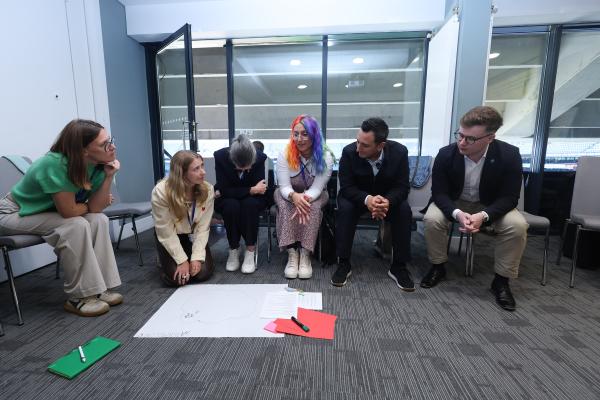
As part of Ireland's Presidency of the Council of the EU, around 300 young people, policymakers and youth representative from across Europe came together in Dublin from 27 to 30 September for the EU Youth Conference.
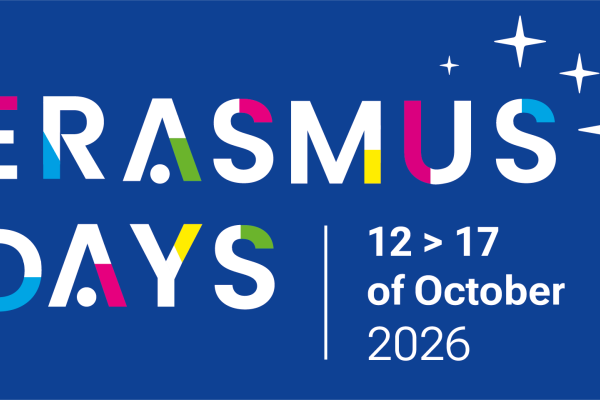
Kādas ir priekšrocības, studējot vai pavadot laiku ārzemēs? Erasmus dienas 2026 sniedz atbildi! No 12. līdz 17. oktobrim visā Eiropā un "Erasmus+" programmā iesaistītajās valstīs notiks gandrīz 11 000 pasākumu, izceļot programmas piedāvātās daudzveidīgās iespējas.

Iztēlojieties, ka varat atvērt lietotni, zinot, ka tā veidota tā, lai būtu droša bērniem. Šī ideja ir pamatā ES <i>KIDS</i> aktam — jaunam Eiropas Komisijas priekšlikumam padarīt tiešsaistes pasauli drošāku bērniem un pusaudžiem.