
On 1 January 2026, Bulgaria adopted the euro and became the 21st member of the euro area. This marks a major milestone in the country’s European journey. For many years, the Bulgarian lev has been tied to the euro at a fixed rate of 1 euro = 1.95583 lev, so the change will feel familiar. But adopting the euro officially brings new opportunities: easier travel and shopping across Europe, no more exchange fees, and stronger participation in Europe’s economic decisions.
How did Bulgaria reach this point?
In 2025, the European Central Bank confirmed that Bulgaria met all the requirements to join the euro. EU ministers then gave the final green light in July 2025, setting the stage for the country’s transition to the new currency. To help people prepare, shops and services are showing prices in both lev and euro since summer 2025.
What challenges does Bulgaria face?
Like every country joining the euro, Bulgaria must ensure a smooth transition. Businesses and banks are updating their systems, contracts, and accounting tools now.
Some citizens also worry about possible price increases, even though the lev’s long-standing link to the euro limits this risk. Clear communication and dual-price displays help build trust and transparency during the changeover.
From 1 January 2026 onwards, the euro is the only official currency used in Bulgaria. This transition strengthens Bulgaria’s place in the EU’s economic framework and supports a more integrated European market.
Do you know what the Bulgarian euro coin looks like? Find out more about the national sides of the coins here.
- Publication date
- 1 January 2026
- Author
- Directorate-General for Communication
Related links

Want to make a difference in the fight against climate change? The European Climate Pact invites schools and universities across Europe to join Pact2School and inspire young people to turn their climate ideas into action.

The new European statistics learning hub is here to help! Whether you're a student, teacher, parent or simply curious, you'll find engaging resources to explore statistics and discover how they relate to everyday life.

The European Commission, together with the European Committee of the Regions, has launched the Pledge on Intergenerational Fairness, inviting local and regional politicians across the EU and candidate countries to put the well-being of current and future generations at the heart of their policies.
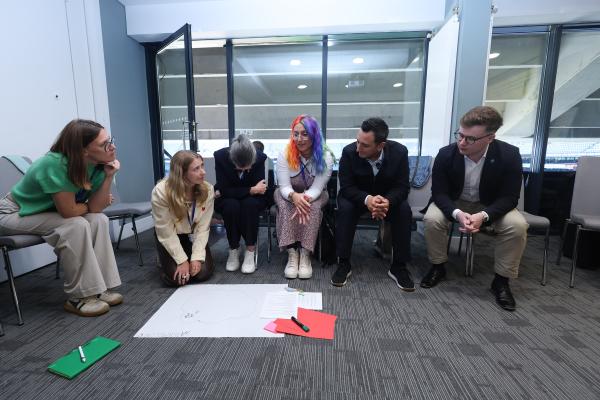
As part of Ireland's Presidency of the Council of the EU, around 300 young people, policymakers and youth representative from across Europe came together in Dublin from 27 to 30 September for the EU Youth Conference.
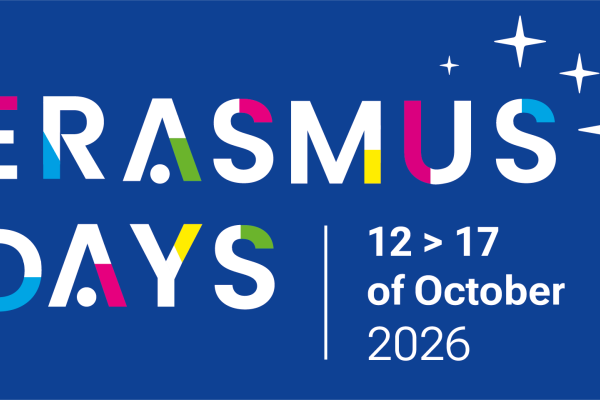
What can you learn by studying or travelling abroad? Find out during Erasmus Days 2026! From 12 to 17 October, almost 11,000 events across Europe and countries associated with Erasmus+ are celebrating the opportunities the programme offers.

Imagine opening an app and knowing that it was designed with children’s safety in mind.
That is the idea behind the EU KIDS Act, a new proposal from the European Commission to make the online world safer for children and teenagers.