
- Age groups
- Topics
- Type of material
Do you need advice on how to use digital technologies critically and responsibly as well as guidance on how to assess student competences in the field of digital literacy?
These guidelines provide hands-on guidance for teachers and educators, including practical tips, activity plans, insights on topics and cautionary notes grounded in what works as concerns digital literacy and education and training. They aim to foster an understanding of how digital literacy can be achieved and provide useful knowledge about the dynamics and manifestations of disinformation.
On the same topic

These guidelines are designed to help educators understand the potential that the applications of AI and data usage can have in education and to raise awareness of the possible risks.
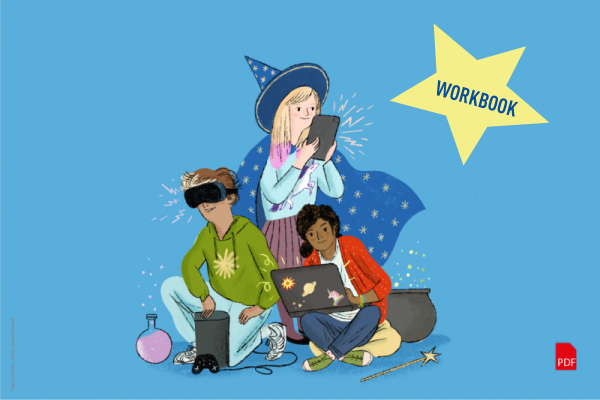
This guide will help you learn many magical things! What the web is made of, what programming is all about, who’s lying and who’s telling the truth. What’s all this for? To help you freely roam this land.
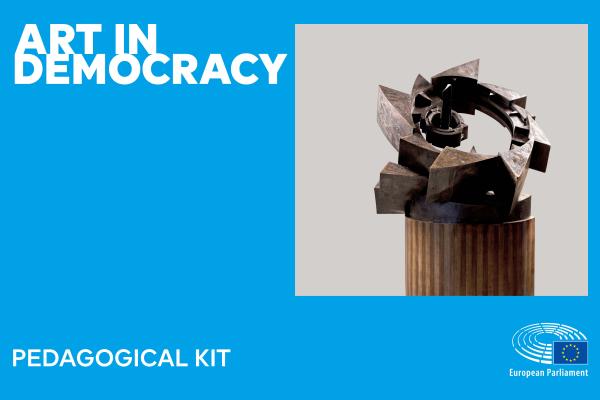
This pedagogical kit aims to provide educators with practical guidance for the exhibition Art in Democracy.
Free resources in 29 languages to help teachers introduce coding and computational thinking to students of all ages. These fun activities will help de...

An interactive and fun learning guide for children aged 9-13 to become Democracy Champions and make a difference in their school or community.

As an educator, you are at the heart of Europe’s digital transformation. To support you in this journey, the European Commission has four new sets of guidelines designed to support you across four key areas in digital education.
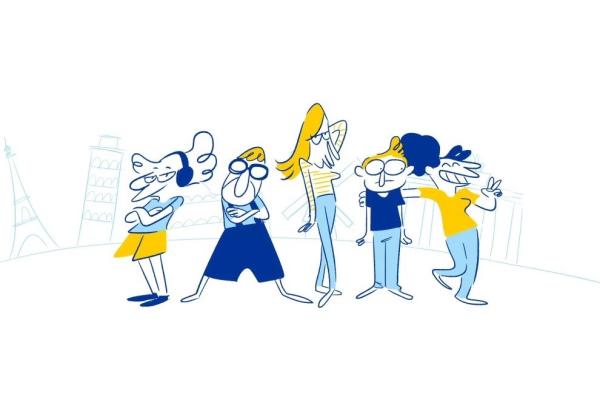
Meet Helena, Klaus, Kasia, Enzo and Marion – our “DIGITAL EXPLORERS” on a fieldtrip across Europe to see how digitalisation is coming along.

Do you use statistics when you teach? Or are you a student wanting to understand more about statistics? Then the Education corner on Eurostat website is the right place for you!