
- Aldersgrupper
- Emne
- Materialetype
EU-retningslinjer for lærere og undervisere
Velkommen! Disse retningslinjer har til formål at støtte travle lærere/undervisere samt undervisnings- og støttepersonale og skoleledere i at træffe beslutninger om brugen af digitalt uddannelsesindhold i skolerne. Kort sagt er digitalt uddannelsesindhold undervisningsressourcer i digitalt format. Disse kan spænde fra videoer eller interaktive quizzer til strukturerede digitale lærebøger, der anvendes til at støtte undervisnings-, lærings- og vurderingspraksis. Det er vigtigt at bemærke, at disse retningslinjer ikke omfatter fastsættelse af læseplaner, eller med andre ord hvad der skal undervises i og hvordan, da dette er den enkelte EU-medlemsstats ansvar. Vores mål er at give lærere og skoleledere retningslinjer, der hjælper dem med at vælge, anvende, skabe og tilpasse digitalt uddannelsesindhold og med at evaluere dets indvirkning på eleverne.
Manuskript ajourført i oktober 2025 og offentliggjort i 2026

Praktiske strategier i europæiske skoler
IT-undervisningen foregår på forskellig vis rundt om i Europa og er formet af de lokale traditioner, skolesystemer og skiftende samfundsmæssige behov. Denne variation giver mange gode idéer, selv om den undertiden giver udfordringer med hensyn til at definere en fælles vision for IT-undervisning af "høj kvalitet". For at forbedre IT-undervisningen for alle er vi nødt til at forstå, hvad der fungerer bedst i klasseværelserne. Selv om der er gjort fremskridt, mangler vigtige spørgsmål fortsat at blive besvaret – f.eks. hvordan og hvornår centrale begreber bør introduceres for eleverne, og hvordan man underviser på måder, der omfatter og inddrager alle. Disse retningslinjer har til formål at hjælpe lærerne med at udvikle praktiske strategier for at sørge for, at IT-undervisningen er fair og meningsfuld, og at den inddrager eleverne, så alle har mulighed for at nyde, udforske og få succes i vores digitale verden.
Manuskript ajourført i oktober 2025 og offentliggjort i 2026

Vidste du, at kunstig intelligens på uddannelsesområdet ikke længere er fremtidsmusik? Vi er f.eks. allerede i gang med at bruge den til at lære fremmedsprog og til at udføre differentierede opgaver i forbindelse med personligt tilpasset undervisning og læring. Kunstig intelligens har derfor et stort potentiale til at forbedre uddannelse, men der mangler en grundig konsekvensanalyse af den, og den kan give anledning til etiske spørgsmål.
Disse retningslinjer giver både faktiske og generiske eksempler på brug af kunstig intelligens , sætter fokus på etiske overvejelser og krav og beskriver de nye kompetencer og de vigtigste begreber og -teknikker på uddannelsesområdet.
Du kan bruge retningslinjerne sammen med eleverne i klassen, du kan opfordre de andre lærere til at bruge dem og forældrene til at læse dem, og du kan sprede budskabet om, at kunstig intelligens allerede er en del af vores hverdag.
Offentliggjort i 2026

Har du brug for idéer til, hvordan man bruger digitale teknologier kritisk og ansvarligt, og vejledning i, hvordan man vurderer elevernes digitale kompetencer?
Disse retningslinjer indeholder praktisk vejledning til lærere, bl.a. nyttige tips, aktivitetsplaner, information om digitale emner og gode råd om, hvad der fungerer med hensyn til indlæring af digitale færdigheder. De har til formål at vise, hvordan digitale færdigheder kan opnås, og beskrive, og hvordan misinformation kommer til udtryk, og hvordan dynamikken i den fungerer.
Manuskript ajourført i 2026

On the same topic
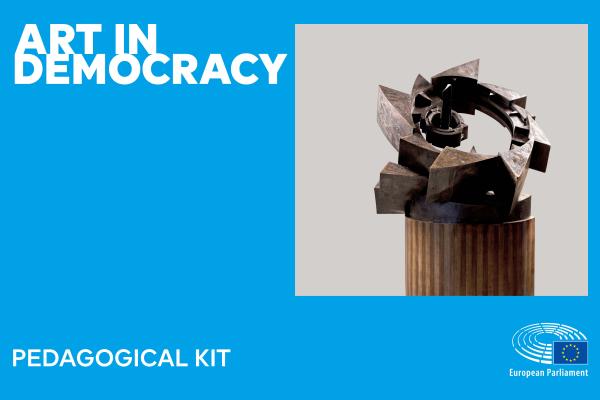
Denne pædagogiske værktøjskasse giver lærere praktisk vejledning til udstillingen Art in Democracy.

En interaktiv, sjov og lærerig vejledning til børn i alderen 9-13 år om, hvordan de kan blive mestre i demokrati og gøre en forskel på deres skole og i deres nærmiljø.


Hop ind i internettets vidunderlige og helt særlige verden med denne guide til, hvordan det virker, magien ved programmering, og hvordan man frit kan gå rundt i landskabet og stadig være sikker.

Retningslinjerne har til formål at hjælpe lærere med at forstå det potentiale, som anvendelsen af kunstig intelligens og data har på uddannelsesområdet, og øge bevidstheden om risikoen.

Analyse af statistiske data på lande eller regionsniveau kan sætte fokus på forskelle og ligheder i EU eller i de enkelte lande. Gå på opdagelse i statistikker i dit land eller din region, og sammenlign med andre lande eller regioner i EU med vores tematiske interaktive publikationer!
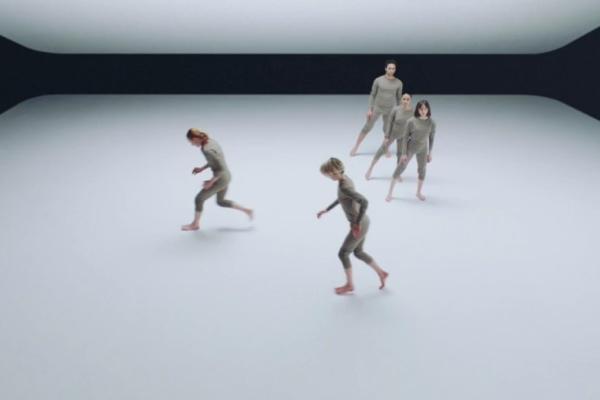
Vi opfordrer dig til at se på kunstig intelligens fra et andet perspektiv. Denne video viser dig, hvordan livet møder teknologien gennem dans, som sym...
Siden 2017 har EU-borgere, der rejser til et andet EU-land, ikke længere skullet betale roaminggebyrer for opkald, sms'er og surfing på deres mobiltel...